If you are thinking about buying a condo around Exchange Place or Paulus Hook, you are not just picking a home. You are choosing a building style, a monthly cost structure, and a day-to-day lifestyle that can feel very different from one block to the next. In this guide, you’ll learn how to compare these two Jersey City waterfront areas, what costs to look at beyond the list price, and which details matter most for long-term value. Let’s dive in.
Exchange Place vs. Paulus Hook
Exchange Place and Paulus Hook sit in Jersey City’s waterfront downtown, but they do not offer the same condo experience. Jersey City’s waterfront growth has created a large high-rise market citywide, with the city noting 142 high-rise buildings across Jersey City. At the same time, Paulus Hook is one of Jersey City’s five local historic districts, which means the housing mix here is broader than many buyers expect.
In practical terms, you may find full-service towers, boutique condo buildings, and older low-rise or historic properties in this part of the market. That variety is one reason buyers need to look beyond the neighborhood name and study the exact building, block, and ownership setup. A condo here can feel sleek and vertical, or quieter and more neighborhood-scaled.
What Exchange Place feels like
Exchange Place is often associated with a more tower-oriented condo market. Buyers are usually drawn to the strong transit network, amenity-heavy buildings, and waterfront setting. If your priority is a streamlined commute and a modern high-rise lifestyle, this area often checks those boxes.
The trade-off is that tower living comes with building-level details that matter a lot. Elevator reliability, common-area upkeep, reserve funding, and future capital projects can affect both your monthly costs and your resale position. In a larger building, the unit is only part of the purchase story.
What Paulus Hook feels like
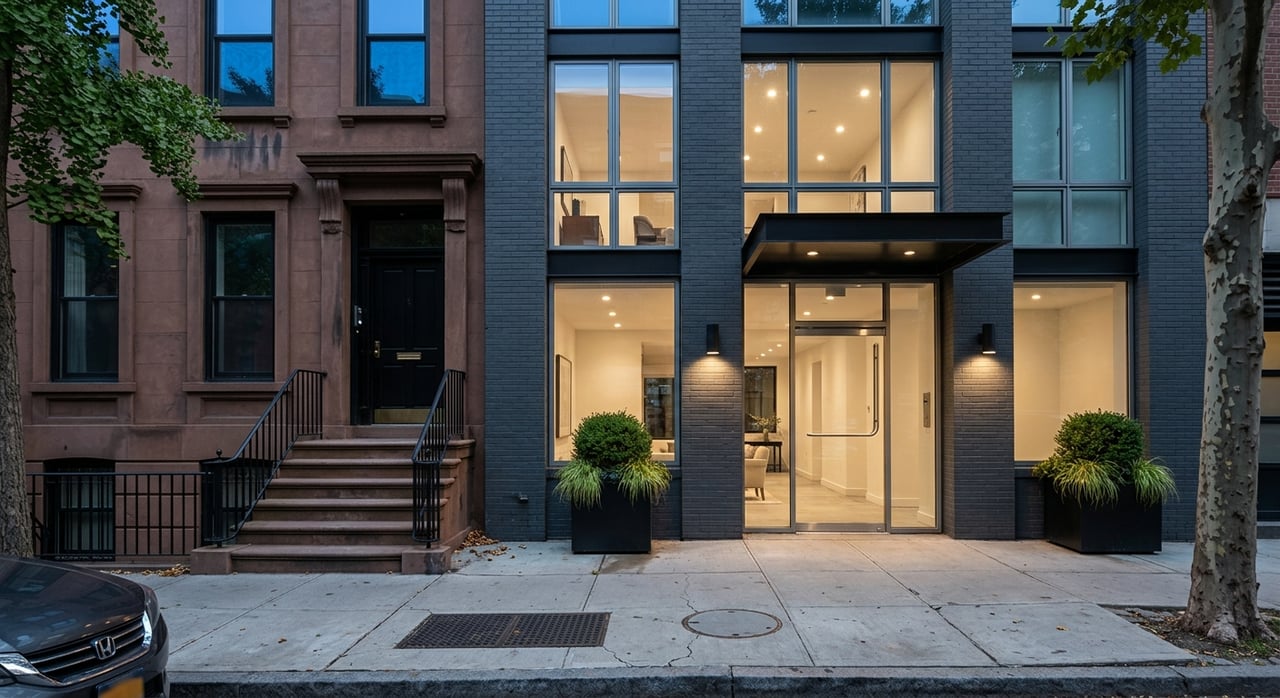
Paulus Hook tends to feel more neighborhood-oriented while still sitting close to the same waterfront commute network. Because it is a local historic district, the building stock often includes older and lower-rise properties alongside some newer development. That creates a different buying decision from a typical waterfront tower search.
If you like a more historic streetscape or want a condo that feels tied to a smaller-scale setting, Paulus Hook may stand out. Still, buyers should remember that historic-district status can affect exterior work. Before assuming changes will be simple, it is important to confirm whether the building falls within the district and what approvals may apply.
Transit matters here
For many buyers, transit is the main reason to focus on this pocket of Jersey City. A Port Authority scoping document said Jersey City PATH stations, including Exchange Place, served about 63,000 daily commuters. That helps explain why this area remains a strong fit for buyers who want a transit-first location.
Ferry access is another major draw. NY Waterway’s Paulus Hook terminal, located at the end of Sussex Street on the Hudson River Waterfront Walkway, serves Midtown/W. 39th Street, Pier 11/Wall Street, and Brookfield Place. The terminal also connects with PATH Exchange Place and NJ Transit Light Rail Exchange Place.
Compare the commute, not just the map
It is easy to assume that being close to multiple transit options is always a pure advantage. In reality, your costs and daily routine may differ depending on whether you lean on PATH, ferry service, or light rail connections. If commute expense matters to you, it is worth comparing those options early in your search.
The right location often comes down to how you move through the week. If you want the fastest access to transit nodes and newer tower buildings, Exchange Place may be a better fit. If you want walkable waterfront access with a more neighborhood-scaled setting, Paulus Hook may feel more balanced.
Lifestyle and daily convenience
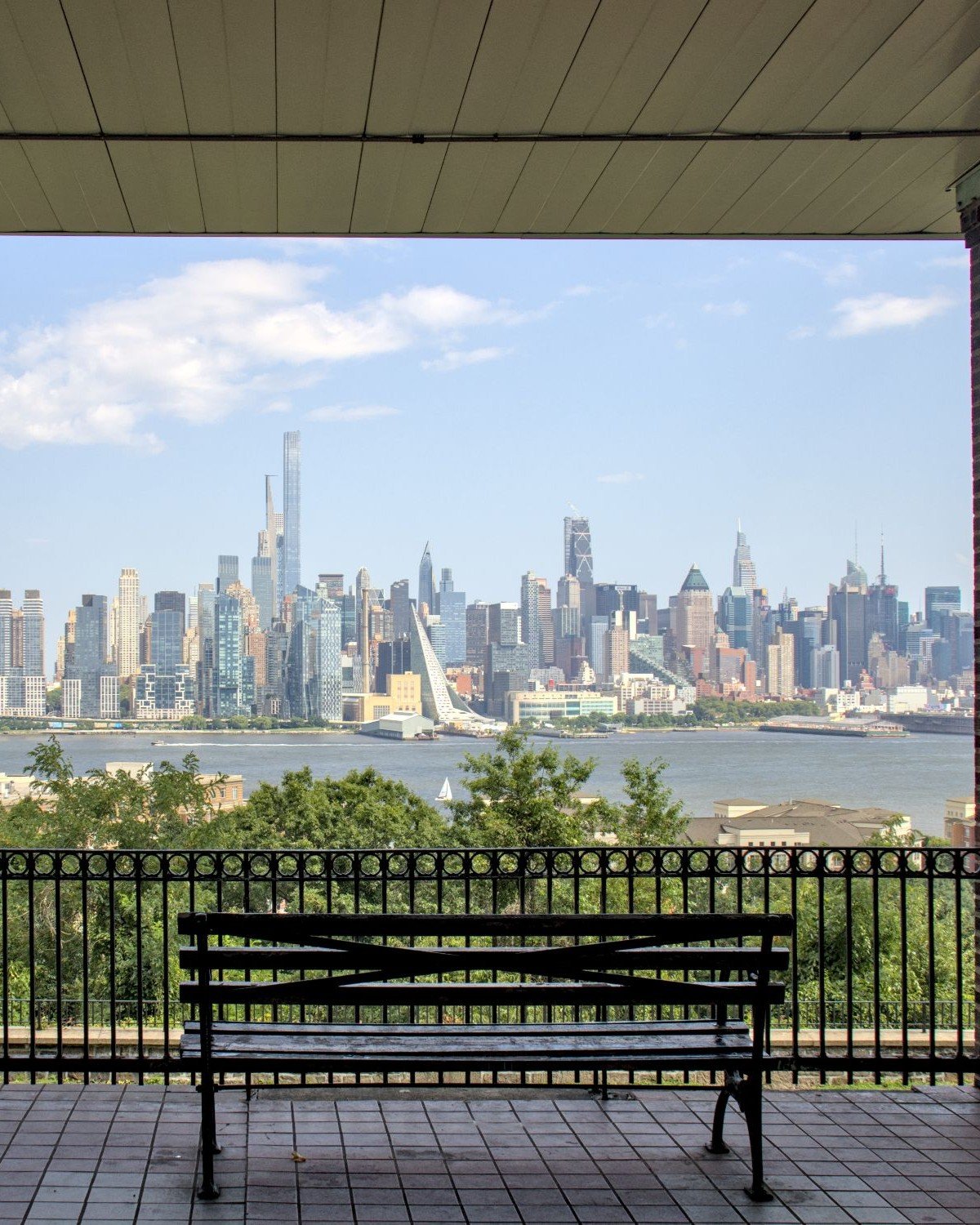
The waterfront is not just a backdrop here. According to NJDEP, the Hudson River Waterfront Walkway is a nearly complete urban corridor spanning nine municipalities, with views of the Statue of Liberty, the Manhattan skyline, Ellis Island, and the Hudson River. That means walkability and views can be part of your everyday experience, not just a weekend bonus.
Daily convenience also plays a role in how this area lives. Jersey City’s farmers market listings show year-round markets at Historic Downtown, Van Vorst Park, and Paulus Hook. NJ.gov also describes Historic Downtown as a cultural center with restaurants, shops, galleries, and preserved brownstones and row houses.
Think about your version of value
Some buyers place the most value on skyline views and a fast Manhattan commute. Others care more about block character, nearby shops, and an easy walk along the waterfront. Both priorities are valid, but they can lead you toward different buildings and different trade-offs.
When you tour condos here, think beyond finishes and staging. Ask yourself how the building fits your schedule, how the streets feel at different times of day, and whether the location supports the routine you actually want to live.
Monthly cost goes beyond the mortgage
One of the biggest condo mistakes is focusing too much on the purchase price and not enough on total monthly carrying cost. The CFPB notes that your total monthly home payment can include principal, interest, property taxes, mortgage insurance, homeowner’s insurance, supplementary insurance such as flood insurance, and HOA fees. In this market, that full picture matters.
HOA dues especially deserve close attention. The CFPB notes that HOA fees are usually paid separately from the mortgage servicer and can range from a few hundred dollars a month to more than $1,000. That means a lower asking price does not always equal a lower monthly payment.
Jersey City property taxes
Jersey City explains that property taxes are based on assessed value divided by 100 and multiplied by the tax rate. The city also notes that the tax rate is certified by the Hudson County Board of Taxation, and taxes are due quarterly on February 1, May 1, August 1, and November 1. Because assessments and rates can differ, it is smart to verify the current tax bill rather than rely on an estimate.
This matters even more when you are comparing several condos that seem similar on paper. Two units with close sale prices can still produce meaningfully different monthly costs once taxes and HOA fees are included. Looking at the full carry helps you avoid surprises.
Flood insurance and waterfront risk
Flood risk is another major cost variable in a waterfront condo search. FEMA says its Flood Map Service Center is the official source for flood-hazard maps, and the CFPB notes that flood insurance is generally required if a home is in a FEMA Special Flood Hazard Area. In Jersey City, buyers should verify the specific building and unit rather than making assumptions based on neighborhood alone.
That point matters because not every waterfront condo has the same insurance profile, elevation, or exposure. Jersey City also has a flood-damage-prevention ordinance in its code. If flood-related costs are part of the equation, building-specific due diligence is essential.
Building quality affects financing and resale
A condo purchase is also a purchase into a shared property structure. Fannie Mae’s condo guidance highlights factors such as the physical condition of the community, financial stability, reserve funding, pending lawsuits, required inspections, outstanding debts tied to structural integrity, and special assessments. These are not small technical details. They can shape your financing options, your monthly costs, and your resale flexibility.
In a waterfront area with both towers and older buildings, this becomes even more important. A building with strong reserves and clear maintenance planning may feel very different from one with deferred work or unclear future expenses. Buyers should treat the association and the building as part of the asset.
Special assessments and reserves
Special assessments can change the economics of a condo quickly. That is why one of the smartest steps you can take is asking for the current HOA budget, reserve balance, and any planned or pending assessments. This helps you understand whether the building is planning ahead or catching up.
In higher-rise buildings, planned capital work may involve elevators, facades, roofs, or common systems. In older or historic properties, maintenance questions may look different, but they are no less important. Either way, the goal is the same: know what you are buying into before you commit.
Views and amenities can support value
Views often carry real value in this market, but they are not all equal. A 2026 high-rise study found that partial views carried about an 11% premium and full views about a 22% premium relative to no view. A separate long-term coastal housing study found that water-view premiums can rise and fall with the broader housing cycle.
For buyers in Exchange Place and Paulus Hook, the takeaway is simple. An unobstructed Hudson or skyline view is usually more valuable than a partial or easily blocked view, but the premium depends on the market, floor level, and whether the view corridor is likely to stay open. A great view can help resale, but only if you understand how protected that advantage really is.
Amenities are not just perks
It is easy to treat amenities as a lifestyle bonus, but they also affect budget and resale. In a full-service building, amenities may support demand, yet they can also raise monthly fees and future maintenance obligations. Buyers should weigh convenience against long-term carrying cost.
Parking, rental policy, building condition, reserve strength, and assessment history also matter. These factors influence how the property functions over time, not just how it looks on a showing day. In other words, your resale story often starts with the details you review before you buy.
A smart condo checklist
Before you make an offer, keep your due diligence focused on the items most likely to affect cost, financing, and future value.
- Ask for the current HOA budget, reserve balance, and any planned or pending special assessments.
- Confirm whether the unit is in a flood zone and whether flood insurance is part of your monthly carry.
- Verify whether the building is inside the Paulus Hook historic district before assuming exterior changes will be straightforward.
- Compare PATH and ferry commuting costs if transportation budget matters.
- Treat parking, view protection, and building condition as resale factors, not just convenience features.
Buying in this part of Jersey City can be an excellent move when the condo, building, and location all fit your goals. The key is to look at the whole picture clearly: building type, transit access, monthly carry, flood exposure, and resale potential. If you want local guidance on how to weigh those trade-offs around Exchange Place and Paulus Hook, connect with Julio Gallardo.
FAQs
What makes condo buying around Exchange Place different?
- Exchange Place is often more tower-oriented, with strong PATH access, larger buildings, and amenity-heavy options that can come with different monthly costs and building-level considerations.
What should buyers know about condos in Paulus Hook?
- Paulus Hook is one of Jersey City’s local historic districts, so buyers may see more older or lower-rise properties and should confirm whether historic-district rules affect exterior work.
What monthly costs matter when buying a waterfront condo in Jersey City?
- In addition to the mortgage, you should review property taxes, HOA fees, homeowner’s insurance, possible flood insurance, and any special assessments or building-related expenses.
How important is flood risk for condos near Exchange Place and Paulus Hook?
- Flood risk can affect insurance requirements and monthly carrying costs, so you should verify the specific building and unit through official flood-hazard information instead of assuming all waterfront condos are the same.
How do views affect condo value around Exchange Place and Paulus Hook?
- Full or unobstructed water and skyline views can support stronger value than partial or obstructed views, but the premium depends on market conditions, floor level, and whether the view is likely to remain protected.
What building documents should condo buyers review in Jersey City?
- You should review the HOA budget, reserve balance, any planned or pending special assessments, and other building-level details that may affect financing, maintenance, and long-term resale.