If your ideal home base includes river views, fast Manhattan access, and a neighborhood that moves with the rhythm of the workday, Exchange Place is worth a close look. This part of Jersey City offers a very specific kind of city living, one built around transit, waterfront scenery, and a polished high-rise setting. If you are wondering whether that lifestyle fits your day-to-day needs, this guide will help you picture what living near Exchange Place is really like. Let’s dive in.
Exchange Place lifestyle at a glance
Exchange Place is one of Jersey City’s most commuter-focused waterfront districts. Local descriptions often call it Wall Street West, which speaks to its strong office presence and its role as a daily hub for workers, residents, and visitors moving through the waterfront.
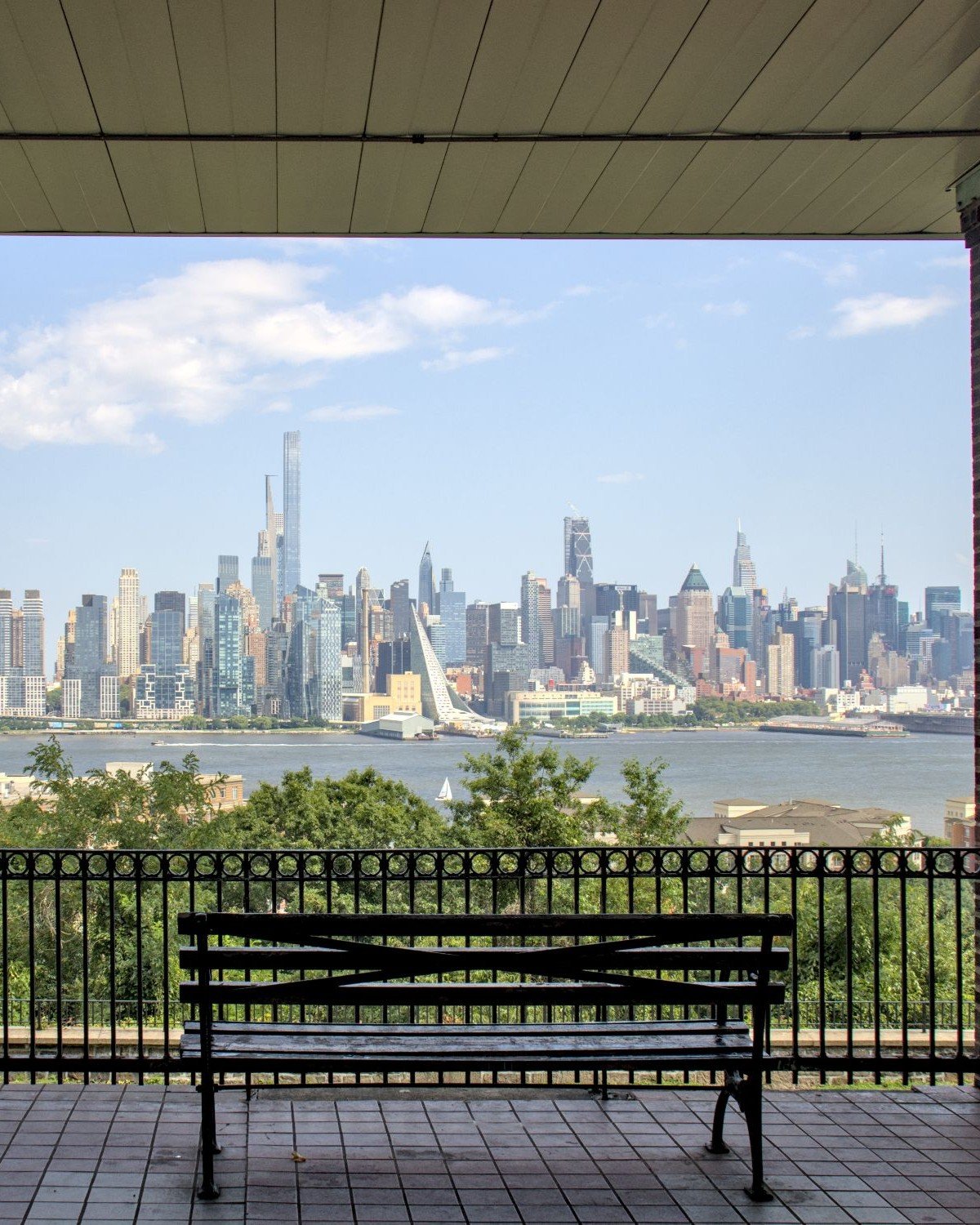
Living here means you are in an area shaped by movement and convenience. On weekdays, you will likely notice a steady flow of PATH riders, light rail users, ferry commuters, and office workers. At the same time, the riverfront setting adds a calmer visual backdrop, with open skyline views and walking paths that soften the pace.
Commuting from Exchange Place
For many buyers and renters, the biggest draw is transportation. Exchange Place is a major connection point for the PATH and the Hudson-Bergen Light Rail, which makes it one of the easier places in Jersey City to navigate without relying on a car.
NJ TRANSIT identifies Exchange Place Station as part of the Hudson-Bergen Light Rail network, and state transportation sources describe it as a key PATH and light rail interchange at the waterfront. That means you can move between Jersey City locations like Newport, Hoboken Terminal, and western Jersey City with relative ease.
PATH and light rail access
If your routine involves Manhattan or multiple Hudson County stops, the transit setup here is a major advantage. Exchange Place gives you direct access to the PATH, while the light rail expands your reach across the local waterfront corridor.
This kind of setup tends to work well if you value a transit-first lifestyle. You can build your day around trains, ferries, walking, and biking rather than parking logistics.
Ferry options add flexibility
Another practical perk is nearby ferry service. NY Waterway shows service from nearby Jersey City terminals, including Paulus Hook and Harborside, with routes to Midtown, Wall Street, and Brookfield Place.
For some residents, that second Manhattan option matters. It gives you flexibility when your schedule changes or when you simply prefer a waterfront commute over the train.
Bike and walk connections
Jersey City has also added secure bike parking at Exchange Place PATH Station through its Oonee network, and NJ TRANSIT lists bike racks, lockers, and parking at the station. If you like mixing transit with biking, that can make daily travel more convenient.
Walking is also part of everyday life here. The neighborhood is built around the waterfront edge, and many day-to-day routes connect naturally to the promenade and nearby downtown streets.
What daily life feels like
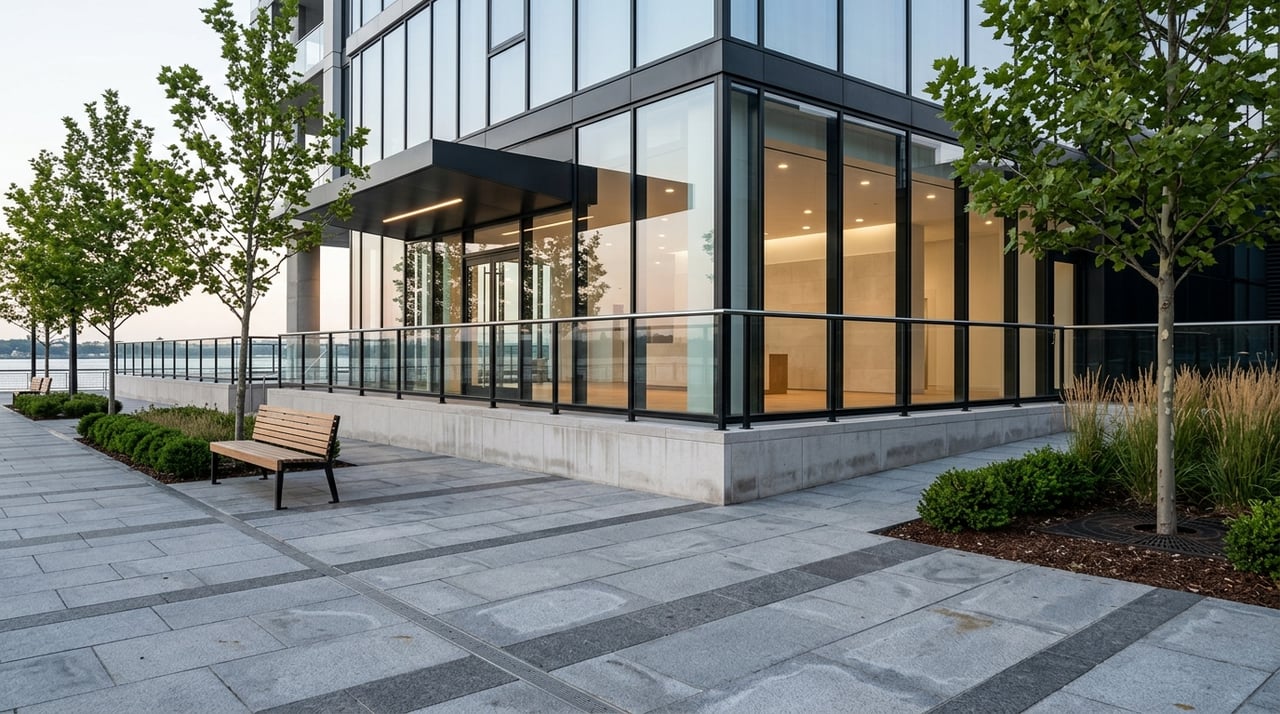
Exchange Place does not feel like a classic neighborhood main street. Instead, it feels like a sleek waterfront district where office towers, residential buildings, transit access, and public open space all meet.
During the workweek, the area has a busy, in-and-out energy. Coffee runs, lunch pickups, and commuter traffic shape a lot of the daytime routine. Ground-floor spots at 15 Exchange Place include Starbucks and Potbelly, while The Exchange at 2 Exchange Place offers breakfast, lunch, and dinner in the district.
The waterfront is part of the routine
One of the biggest lifestyle advantages here is easy access to the Hudson River Waterfront Walkway. Through Jersey City, the walkway is complete from Exchange Place to Hoboken and runs past piers and office buildings along the water.
In practical terms, that means your neighborhood routine can include morning walks, quick outdoor breaks, evening strolls, and unobstructed skyline views. If being near the water affects how you want your home environment to feel, Exchange Place delivers that in a very direct way.
Public spaces and events
The Exchange Place Alliance says it focuses on landscaping, maintenance, public-space activation, and community events. Its calendar includes recurring programming at Exchange Place Plaza, such as jazz festivals and other public gatherings.
That gives the area more life beyond its office identity. You may find that even though the district feels polished and business-oriented, it still offers moments of neighborhood activity through seasonal events and waterfront programming.
Art and open-air atmosphere
Public art also adds to the experience. Current installations in the district include pieces at J. Owen Grundy Park and nearby waterfront sites, which helps give the promenade and plaza areas a more curated public feel.
This matters because Exchange Place is often more about atmosphere than traditional street-level bustle. The visual appeal comes from the water, skyline, public space, and architecture rather than from a dense cluster of small storefront blocks.
Dining and errands near Exchange Place
If you live near Exchange Place, some of your day-to-day needs can be handled right in the district, especially quick meals and commuter-friendly stops. But for a broader mix of dining and errands, many residents naturally spend time in nearby Paulus Hook and the rest of downtown Jersey City.
That is part of how the neighborhood works. Exchange Place offers location efficiency and waterfront access, while nearby areas help fill in some of the more traditional local rhythm.
Nearby dining options
Hudson & Co. positions itself close to the Exchange Place PATH station, the Harborside Light Rail, and a nearby ferry stop. In Paulus Hook, Satis Bistro presents a café-style dining option that many locals know as part of the broader downtown mix.
So while Exchange Place itself is not defined by a large restaurant corridor, you are close to places that expand your choices. That can be a strong middle ground if you want easy access to dining without living in the middle of a busier nightlife zone.
Farmers markets and everyday convenience
Jersey City’s farmers market program lists a year-round Paulus Hook Farmers Market at 158 Washington Street, along with a year-round Historic Downtown Farmers' Market at Grove Street PATH Plaza and the Newark Pedestrian Mall. For residents near Exchange Place, those nearby options can become part of a regular routine.
This is a good example of what living here often looks like in practice. You may sleep and commute from the waterfront, then branch into surrounding downtown areas for groceries, markets, casual dining, and more neighborhood-style errands.
How Exchange Place compares nearby
Exchange Place is easier to understand when you compare it with nearby Jersey City districts. Each nearby area offers a different version of downtown living, and your best fit depends on what kind of environment you want around you every day.
Exchange Place vs. Paulus Hook
Compared with Paulus Hook, Exchange Place feels more modern and more transit-forward. Paulus Hook is one of Jersey City’s five designated historic districts, and it generally has a more preserved, lower-rise, residential character.
If you are choosing between the two, the decision often comes down to lifestyle feel. Exchange Place leans toward high-rise waterfront living and streamlined commuting, while Paulus Hook tends to feel more residential in scale and texture.
Exchange Place vs. Grove Street
Compared with Grove Street, Exchange Place is more edge-of-water and more commute-oriented. Local guides describe Grove Street as a central downtown hub with a stronger pedestrian, restaurant, and nightlife pulse, and it sits one PATH stop away.
If you want more street activity right outside your door, Grove Street may feel more energetic. If you want a cleaner waterfront setting with strong transit access and a more business-district rhythm, Exchange Place may feel like a better match.
Exchange Place vs. Newport
Newport is another waterfront district nearby, but it tends to read as more planned and large-scale mixed use, with restaurants, parks, and skyline views. Exchange Place shares the waterfront appeal, but it often feels more directly tied to transit flows and office concentration.
For buyers and renters, this comparison can help clarify priorities. Both offer a modern waterfront experience, but the day-to-day mood is not exactly the same.
Who Exchange Place tends to suit best
Based on the area’s transportation mix, office concentration, public waterfront spaces, and nearby dining access, Exchange Place tends to work especially well for a few types of residents.
It may be a strong fit if you are looking for:
- A fast Manhattan commute
- A transit-first lifestyle
- A high-rise or waterfront setting
- Easy access to skyline views and walking paths
- A polished urban environment with nearby downtown options
It may be a weaker fit if your priority is a deeply residential brownstone-block atmosphere or a neighborhood built around a traditional main street. That kind of feel is more closely associated with Paulus Hook and parts of inland downtown.
What buyers and renters should keep in mind
Exchange Place offers a distinct lifestyle, and that is part of its appeal. It is not trying to be every version of Jersey City at once. It is best understood as a waterfront district where convenience, transit, and setting do much of the heavy lifting.
If that matches how you want to live, the area can be a smart choice. If you want to compare it block by block with Paulus Hook, Newport, or Grove Street, that extra local context becomes very important before you decide where to buy or rent.
For many people, the right move comes down to the details of your routine. Your commute, your need for outdoor space, your preference for quiet versus street activity, and the kind of building you want all shape whether Exchange Place feels like the right fit.
If you are thinking about buying, selling, or investing near the waterfront, working with a team that understands those neighborhood differences can help you make a more confident decision. To talk through your options in Exchange Place and nearby Jersey City neighborhoods, connect with Julio Gallardo.
FAQs
What is daily life like near Exchange Place in Jersey City?
- Daily life near Exchange Place often centers on commuting, waterfront walks, quick dining options, and easy access to nearby downtown Jersey City neighborhoods for errands and restaurants.
Is Exchange Place a good neighborhood for Manhattan commuters?
- Exchange Place is well suited for many Manhattan commuters because it offers PATH access, Hudson-Bergen Light Rail connections, nearby ferry service, and bike facilities at the station.
How does Exchange Place compare with Paulus Hook?
- Exchange Place generally feels more modern, high-rise, and transit-focused, while Paulus Hook has a more preserved, lower-rise, and residential character.
How does Exchange Place compare with Grove Street?
- Exchange Place is more waterfront and commute-oriented, while Grove Street is known more as a central downtown hub with stronger restaurant, pedestrian, and nightlife activity.
Who tends to enjoy living near Exchange Place?
- Exchange Place often appeals to people who want waterfront views, a transit-first lifestyle, and convenient access to both Manhattan and downtown Jersey City.